Holmes Training Academy™ · Fall 2026 Cohort
Do We as Counselors Understand Why Couples Come to Us BEFORE They Get Married?
“They are not simply asking us to help them prepare for a wedding. They are trusting us to help them discover what they may not yet know about themselves, each other, and the marriage they are about to create.”
The Premarital Counseling Specialist Certificate is a 16-week, live, online professional certification for counselors, therapists, pastors, coaches, and helping professionals who already work with couples.
Prefer to read first? Send me the program details
Registration closes September 24, 2026 at 11:59 PM Eastern Time. First class September 26, 2026.
A professional educational certificate, not a clinical license. You work within your existing role and credentials and are taught when to refer.

- Credential
- Premarital Counseling Specialist Certificate
- Length
- 16 weeksOne two-hour live class each week
- Format
- Live online cohortClasses are not recorded
- Tuition
- $997 in fullor $200 to begin a payment plan
Recognition
What are they trusting you to see?
Engaged couples answer the questions they are asked, and they usually answer honestly. The professional question is what those answers mean.
Consider a composite couple, not a case. By every ordinary measure, they are ready.
“We want children.”
Beneath itWhat does each believe a mother or a father is supposed to sacrifice, and whose family supplied that picture?
“We communicate well.”
Beneath itWhat happens the first time one of them feels rejected, ashamed, controlled, or unheard?
“Money is not a problem for us.”
Beneath itWhat does money mean to each of them: safety, power, freedom, loyalty, status, provision?
“The past is behind us.”
Beneath itHow did each learn what love, anger, loyalty, and forgiveness look like at home, and which of those lessons is already operating between them?
“We are sexually compatible.”
Beneath itWhat does each expect of desire, initiation, and refusal when pregnancy, illness, stress, or rejection changes the terms?
“We know who we are.”
Beneath itWhat does each assume a husband or a wife is, and what does each expect marriage will require them to give up or become?
“We never really fight.”
Beneath itIs that resolution or avoidance? When one of them is hurt, who repairs, and how?
“Our families are supportive.”
Beneath itWhat happens when loyalty to a parent becomes costly to the marriage, and where does the boundary sit?
“We are ready.”
Beneath itReadiness is demonstrated when marital capacities are placed under demand. It cannot be established from the answers alone.
None of this predicts whether a marriage will succeed, and the program makes no such claim. It tells the professional where to look more carefully while there is still time to do something about what is found.
PCS is not about collecting more questions. It is about developing a more disciplined way of seeing what the answers mean.
Who this is for
If couples already come to you, this program was built for you.
You are a counselor or therapist.
You already assess, formulate, and intervene. PCS brings that same discipline to the couple who has not yet married, within the scope of the credential you hold.
You are a pastor or marriage-ministry leader.
Couples come to you first, often before anyone else knows they are engaged. PCS trains you to see what is forming, to structure the work, and to recognize when a licensed clinician should be involved.
You are a relationship coach or helping professional.
You serve couples in a professional role that is not psychotherapy. PCS sharpens what you observe and how you make sense of it, and it makes the boundary of your role clear.
PCS is a professional educational certification awarded by Holmes Training Academy™. It does not confer licensure, authorize the diagnosis or treatment of mental illness, or expand any participant’s legal or professional scope of practice. Every student practices within the limits of their lawful role, training, credentials, and jurisdiction.
What PCS teaches
What you will be better able to see and do.
Six capabilities, drawn from the program’s published learning outcomes and developed across sixteen lessons.
See the individuals entering the marriage, not only the couple's stated compatibility.
Examine the histories, family systems, expectations, and relational agreements each partner brings.
Recognize where ordinary differences are acquiring deeper meaning before they reorganize the relationship.
Formulate what is occurring beneath a presenting concern and select interventions that fit the mechanism, not merely the symptom.
Distinguish knowledge about marriage from demonstrated capacity for it when marriage-relevant capacities are placed under demand.
Recognize vulnerabilities that call for deeper exploration or referral, and practice within the limits of your professional scope.
How the sixteen weeks are organized
Four modules, sixteen lessons.
Module I
Discovery
Learning to See What the Couple May Not Yet See
Students begin by moving beyond surface compatibility and learning how to investigate the relationship that is already developing. The emphasis is disciplined discovery: separating observation from interpretation, identifying assumptions, examining relational meaning, exploring the individuals and histories entering marriage, and recognizing where apparently ordinary differences may carry deeper significance.
Do not assume. Investigate.
Module II
Formulation
Turning Information Into Understanding
Knowing more about a couple is not the same as understanding the couple. Students learn to integrate history, self-report, partner report, observation, structured assessment, expectations, relational agreements, trust, power, protective responses, and recurring interaction into a coherent formulation.
Module III
Intervention
Treat the Mechanism, Not Merely the Symptom
Students move beyond the assumption that every relationship problem requires more communication. They examine sexuality, desire, biological and medical contributors, fidelity vulnerabilities, money, sacrifice, family loyalty, boundaries, individual versus relational problems, professional scope, referral, and treatment sequencing.
What am I actually treating?
Module IV
Before They Say “I Do,” Prove They Can Do Marriage
The Marriage Readiness Laboratory
Everything learned in Modules I through III prepares students for Module IV. At this stage, understanding is no longer enough. Students learn to distinguish knowledge about marriage from demonstrated capacity for marriage and to examine how relational functioning changes when meaningful marital capacities are placed under demand.
The full syllabus, learning outcomes, completion requirements, and program conditions are published on the official program page.
Registration closes September 24, 2026 at 11:59 PM Eastern Time. Or request the program details
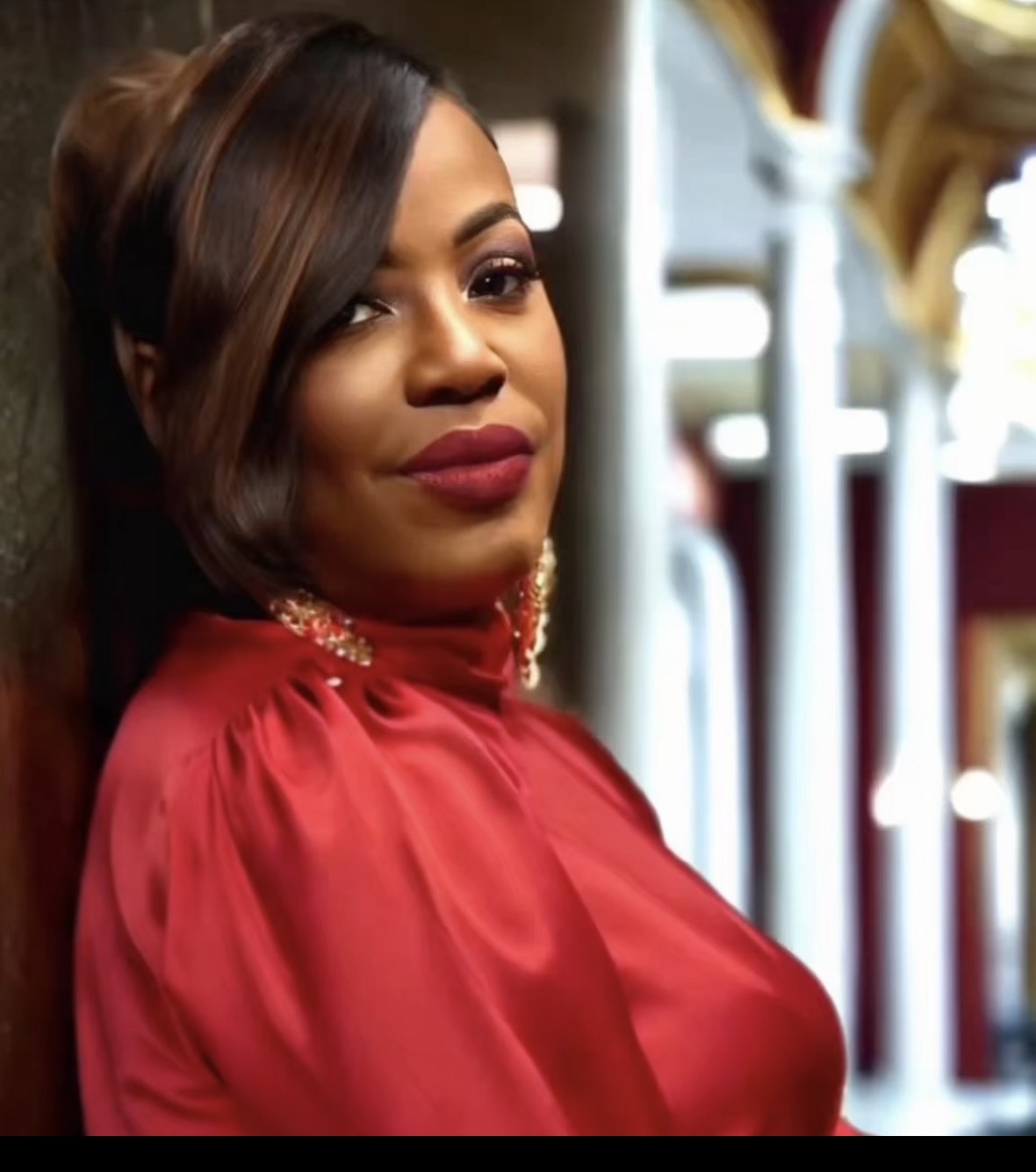
Faculty
Taught by the Founder.
Dr. Cheryll Holmes, PhD, PsyD, MDR
Founder and President, Holmes Training Academy LLC
Dr. Cheryll Holmes is the Founder and President of Holmes Training Academy LLC and serves as faculty for the Premarital Counseling Specialist program.
Faculty lead every live session, review your written work, and know your name. The certificate is awarded on demonstrated competency, subject to faculty approval, not on attendance or payment alone.
- Holmes Training Academy™
- Founded 2017Holmes Training Academy™
- Professionals equipped since 2017
- 2,068+Professionals equipped since 2017
- Certification is competency-based
- Faculty-approvedCertification is competency-based
Fall 2026 schedule
Two live sections. Choose the one you can keep.
Approximately four to six hours per week, including live instruction, assigned reading, case analysis, and required coursework.
Section
Saturday Morning
Saturdays, 8:00 AM–10:00 AM ET
First class September 26, 2026
Section
Tuesday Evening
Tuesdays, 7:00 PM–9:00 PM ET
First class September 29, 2026
Live classes are not recorded, and students remain in the section they choose. You indicate a section preference when you register; placement is confirmed by the Office of the Registrar.
Fall 2026 tuition
One tuition. Two ways to pay.
Published tuition for the Premarital Counseling Specialist Certificate is $1,197. Paying in full at registration reduces your total by $200.
Pay in full
$997
One payment at registration. Your total is $200 less than the payment plan.
Payment plan
$200
to begin
Then 4 monthly payments of $249.25. Payment-plan total $1,197.
The program includes
- One two-hour live class each week for sixteen weeks
- Four instructional modules comprising sixteen lessons
- Faculty teaching and demonstration
- Premarital case studies and guided formulation
- Applied assessment and intervention exercises
- Professional discussion, reflection, and faculty feedback
- The Premarital Counseling Specialist Certificate on successful completion
The exact payment schedule, dates, and enrollment agreement are shown for your review and acceptance before any payment is made. Registration closes September 24, 2026 at 11:59 PM Eastern Time.
Still deciding?
Read the details, then decide.
Admissions will send the Fall 2026 program details: schedule, tuition, and what to expect. It is not an application, creates no account, and carries no obligation.
Office of Admissions
Send me the Fall 2026 program details
Tell us where to reach you. The details go to the Office of Admissions only; nothing is charged and no account is created.
Questions
What professionals ask before they register.
Deeper detail, including completion requirements and program conditions, is on the official program page.
- Is this a licensure program?
- No. The Premarital Counseling Specialist Certificate is a professional educational certification awarded by Holmes Training Academy™. It does not confer a clinical license, authorize the diagnosis or treatment of mental illness, or replace any credential your jurisdiction or professional body requires.
- Who is it for?
- Counselors, therapists, pastors, clergy, ministry leaders, relationship coaches, and other helping professionals who prepare, counsel, educate, coach, mentor, or support couples before marriage.
- I am a pastor or a coach, not a licensed therapist. Is this still for me?
- Yes. The program is built for the professional couples already come to. It teaches you to work within your lawful role and to recognize when a licensed clinician should be involved. It does not expand anyone’s legal scope of practice.
- What does live online mean, and what is expected of my attendance?
- Classes meet live on Holmes Digital Campus, one two-hour session each week, in the section you choose. Live classes are not recorded, and students remain in their section for the program. Attendance and participation are part of the completion requirements.
- How much time should I plan for each week?
- Approximately four to six hours per week, including live instruction, assigned reading, case analysis, and required coursework.
- What happens after I pay?
- Payment secures your registration and opens the Campus onboarding steps, including orientation. Official enrollment and section placement are confirmed by the Office of the Registrar; Admissions can answer questions along the way.
Holmes Training Academy™
Become a Premarital Counseling Specialist.
Sixteen weeks. Four modules. Sixteen live lessons. A more disciplined way of seeing the marriage before the wedding.
Registration closes September 24, 2026 at 11:59 PM Eastern Time. First class September 26, 2026.
Admissions answers questions about the program. Official enrollment, section placement, and completion are always confirmed by the Office of the Registrar.