Human Functioning™Volume 1 · Issue 1
The Science Behind Sustainable Relationship Change
Change that survives contact with ordinary life is structural, not motivational. What the evidence says about durability.

Dr. Alicia Braithwaite, Psy.D.
Lead Faculty, Individual Counseling
July 9, 2026
9 min readGraduate Professional
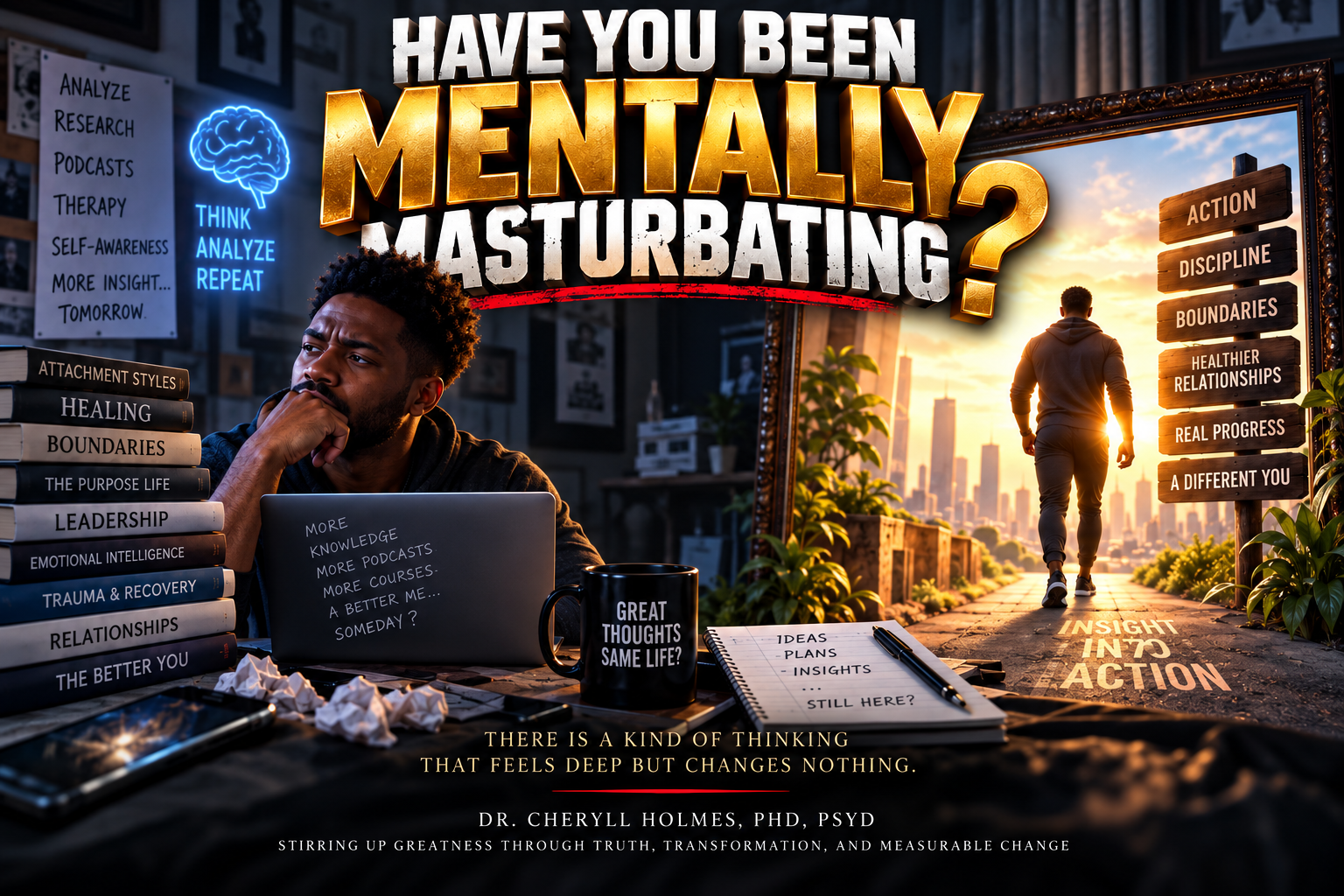
Cover plate reserved — Human Functioning™, Volume 1 · Issue 1
Change that survives contact with ordinary life is structural, not motivational. What the evidence says about durability.
Most relational gains are real and most are temporary. The difference between a couple who improves for six weeks and a couple who improves for six years is rarely insight. It is whether the improvement was installed into the structure of their week.
Motivation decays; structure does not
Behavioral literature is consistent on this point across domains — adherence, recovery, organizational performance. Intentions predict initiation. Environment, routine, and accountability predict maintenance. Applied to relational care, this means the practitioner's plan must specify not only what the couple will do differently, but when, where, in whose presence, and what happens when it is missed.
“A plan a couple cannot execute on their worst week is not a plan. It is a wish with a worksheet attached.”
Durable change also has a measurable signature: the couple begins to self-correct without the practitioner present. Track that signature deliberately. Ask what they repaired between sessions, who initiated it, and how long the repair took. Shortening repair latency is a more honest outcome measure than satisfaction scores collected in the room.
Implications for practice
Build the smallest structure that can hold the change. Review it under load rather than under calm. And document the mechanism you believe is producing improvement, so that when progress stalls you are revising a hypothesis rather than starting over.
References
References are recorded with the manuscript and published with the article.
Estimated citation
Braithwaite, A. (2026). The Science Behind Sustainable Relationship Change. Human Functioning™, 1(1). Holmes Knowledge Center, Holmes Training Academy™.